Live independently
Support daily routines, mobility, meals, communication and life at home.

Explore careers
Support that helps people live the life they choose.
Adult social care helps people stay safe, well, independent and connected. It can include practical help, personal care, emotional support, specialist support and opportunities to take part in everyday life.
This page focuses on adult social care. Social care is not one service or one job. It is a wide network of people, organisations and settings built around each person’s needs, strengths and goals.

In one sentence
Social care is personalised support that helps adults manage everyday life, maintain dignity and independence, and stay involved in the people, places and activities that matter to them.
The purpose of care
Good social care starts with the person, not a checklist. The support should reflect what a good life looks like for them.
Support daily routines, mobility, meals, communication and life at home.
Reduce risks, notice changes, follow care plans and help people feel secure.
Protect dignity, privacy, identity and control over day-to-day decisions.
Build confidence, relationships, interests and connection with the community.

People, not labels
People may need support for a short time, for longer periods, or at different stages of life. Social care can support adults who are:
Care follows everyday life
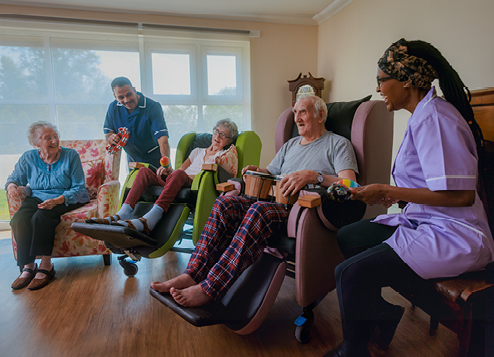
Social care is delivered in many places. The setting changes, but the thread is the same: helping people live with dignity, choice and as much independence as possible.
Home care, personal assistance and practical support with everyday living.
Residential support, activities, personal care and, where needed, nursing care.
Support that helps people live in their own home or shared accommodation.
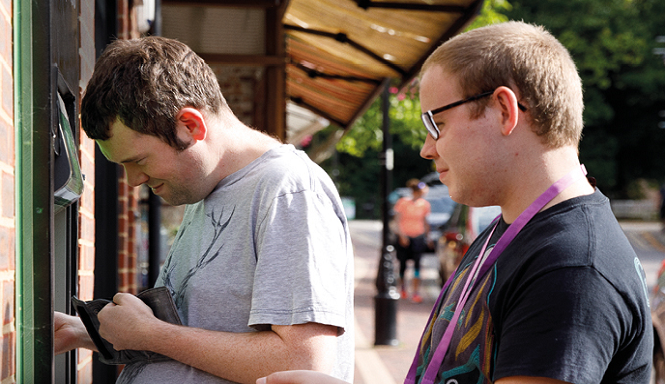
Activities, skills, friendships, employment support and community participation.
Short-term support to rebuild confidence and independence after illness or injury.
Flexible arrangements built around relationships, home life and local connection.
The work behind the word care
The answer depends on the person, role and setting. A single shift can combine practical support, problem-solving, communication, safeguarding and moments of joy.

Understand what matters to the person and follow an agreed care or support plan.
Help with meals, medication, mobility, communication, personal care or household routines.
Work with someone, rather than taking over, so they can do more for themselves.
Support relationships, hobbies, appointments, learning, work and community life.
Recognise changes, record information, reduce risks and raise safeguarding concerns.
Communicate with colleagues, families and health professionals while respecting confidentiality.
Connected, but not identical
The two sectors often work side by side. Their responsibilities can overlap, but they usually begin from different questions.
Social care often asks
Both should provide
Healthcare often asks
Some social care settings include nursing and clinical support, and many people receive coordinated help from both health and social care teams.
A broad workforce
Social care needs people with different strengths. Some roles provide direct support, while others lead services, bring specialist knowledge or keep everything running.
Care worker, support worker, personal assistant and rehabilitation worker.
Activities worker, advocacy worker, employment support and Shared Lives carer.
Care coordinator, team leader, supervisor, deputy manager and registered manager.
Nursing associate, registered nurse, occupational therapist and social worker.
Administration, catering, housekeeping, transport, maintenance and technology.

A North London care story
Richard Buckman’s Proud to Care story describes a long career supporting people at a Barnet day centre to stay mobile, socially connected and involved in everyday life.
Meet more people working in careWatch and listen
Hear from an HR manager working in a nursing care home in Haringey.
Watch on YouTube ↗, opens in a new tabMeet a field care supervisor working with Link Care in Barnet.
Watch on YouTube ↗, opens in a new tabHear from a care coordinator supporting domiciliary care across Islington.
Watch on YouTube ↗, opens in a new tabVideos are linked rather than embedded, so YouTube content and cookies load only after a visitor chooses to open a video.
Common questions
Social care is a large, varied sector, so the answer is often “it depends on the role and the person”. These are good starting points.
No. It supports adults of different ages, including disabled people, people with learning disabilities or autism, people with mental health needs and people rebuilding independence after illness or injury.
No. Nursing is a regulated clinical profession. Social care covers a wider range of support for daily life and independence, although nurses and nursing associates also work in some social care settings.
No. Personal care is part of some roles, but other jobs focus on activities, advocacy, coordination, rehabilitation, community support, administration, catering, technology or leadership.
Many entry-level care and support roles do not require previous care qualifications. Employers normally provide induction and on-the-job learning, and many support recognised work-based qualifications.
Keep exploring
Move from understanding the sector to finding the route that fits you.
See where you could fit
Explore current vacancies or get support with your route into care.